

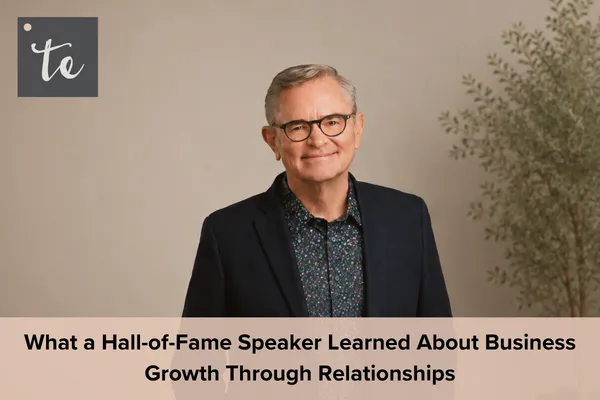
What a Hall-of-Fame Speaker Learned About Business Growth Through Relationships
After more than four decades in business, Hall-of-Fame speaker Mark LeBlanc doesn’t credit aggressive sales tactics or complicated growth strategies for his success. He credits relationships.
LeBlanc has been self-employed for 44 years, built and sold a successful business, logged more than 20,000 coaching hours, authored multiple books and was inducted into the National Speakers Hall of Fame in 2023. In 2025, he was named a Legend of the Speaking Profession.
And yet, when I asked him how relationship-building influenced his career, his answer started with stories about his parents inviting lonely people over for Thanksgiving dinner.
That response says everything.
In a business environment where people are overwhelmed by digital noise and increasingly skeptical of transactional interactions, LeBlanc’s career is a reminder that meaningful relationships still create the strongest foundation for long-term growth.
Long Before “Networking” Became a Strategy
When LeBlanc reflected on where his relationship-building instincts came from, he immediately thought about his father.
“Even when I was a young boy, I just observed my dad checking in with people,” he shared. “We were always just stopping in to see how people were.”
He described growing up in a household where his parents regularly invited people who would otherwise spend holidays alone.
“The family joke is we were always looking for one or two strays,” he laughed.
As he shared those stories, it became clear that relationship-building was never presented to him as a business tactic. It was simply part of how his family moved through the world. They checked on people. They noticed when someone might be struggling. They made room at the table.
LeBlanc explained that many of those impressions happened “almost by osmosis,” shaping the way he naturally approached people later in life and business.
What stands out most about this story is how naturally care and connection were woven into everyday moments. There was no expectation attached to it. No immediate outcome they were trying to achieve. Just consistent thoughtfulness and human connection. His early experiences also show why relationship building in business works best when it grows out of genuine curiosity, consistency and care for other people.
That foundation matters in our business world because people can feel the difference between transactional networking and genuine relationship-building. One tends to focus on short-term opportunities. The other creates trust that deepens over time.
The Lesson That Changed His Approach to Sales
At 18 years old, LeBlanc’s father gave him a copy of Og Mandino’s The Greatest Salesman in the World. He followed the book’s instructions closely, reading each “scroll” three times a day for 30 days. Looking back, he credits many of those lessons with shaping his beliefs about both business and life.
A few years later, he attended a small sales training seminar led by Don Sheehan, who would eventually become one of his earliest business mentors. During that experience, one particular lesson stayed with him:
“Someone who’s clearly not interested in what you have to offer just might welcome you with open arms five months later.”
That perspective deeply influenced how he approached prospecting, follow-up and relationship-building throughout his career. Instead of viewing rejection as permanent, he learned to see business relationships as something that often develops gradually over time.
Today, many professionals abandon outreach efforts quickly if they don’t receive an immediate response. LeBlanc sees patience very differently. He believes that remaining visible and consistently helpful creates familiarity and trust long before someone is ready to buy.
“If somebody is a good prospect, well, if I just stay top of mind and I find ways to be useful or add value, they’re going to think of me first when they need what I have to offer.” This approach to staying top of mind was never about sending more messages or forcing a sales conversation. It was about remaining useful and visible until the timing was right for the other person.
That mindset feels especially relevant in today’s business environment. People are overloaded with information, interruptions and constant digital outreach. Trust often develops more slowly because people are more cautious with their attention and energy. Consistency, thoughtfulness and genuine value have become increasingly important differentiators.
LeBlanc learned early that relationships compound over time, and many of the opportunities that shaped his career were the result of staying connected long enough for trust to develop naturally.
Becoming a Trusted Advisor
One of the most interesting parts of our conversation was hearing how LeBlanc unintentionally positioned himself differently from others in his industry.
“I found ways to be useful and helpful,” he said. “I didn’t realize it at the time, but I was doing things to position myself differently than others.”
As he described those early business experiences, it became clear that he wasn’t approaching relationships with a heavy focus on selling. He was focused on understanding what people needed and looking for ways to contribute beyond the immediate transaction.
He shared ideas freely, offered suggestions and paid attention to the bigger challenges clients were trying to solve. Over time, people began viewing him differently.
“I was doing things that would make me not just a salesperson, but a trusted advisor or resource.”
That shift changed the trajectory of his business. Clients began introducing him to others, inviting him into deeper conversations and including him in their communities. Relationships naturally expanded beyond contracts and projects because trust had already been established.
“Most of my clients would ultimately become friends,” he shared.
That line stayed with me because it reflects something many businesses are struggling with today. In highly digital environments, it’s easy for business relationships to become purely transactional. Yet the strongest loyalty often develops when people feel emotionally connected to the individuals and companies they work with.
People remember the professionals who consistently show up, listen well, offer help and make them feel valued beyond the sale itself. Those experiences create relational equity over time, and that trust becomes incredibly difficult for competitors to replace.
Why Relationship Builders Have More Staying Power
Listening to LeBlanc speak about business feels refreshing because his approach is deeply human.
There’s patience in it.
There’s consistency in it.
There’s genuine curiosity in it.
And there’s an understanding that trust is earned slowly.
Many business relationships, today, are conducted through screens, automated messages and quick touchpoints. While technology has made communication faster, it hasn’t necessarily made relationships stronger.
People are craving connection more than ever. They want to feel seen, valued and understood by the companies and professionals they choose to work with.
LeBlanc’s career reinforces something I believe deeply. Relationship-driven growth has become essential for businesses that want to earn loyalty, referrals and trust over time.
Businesses that consistently nurture trust create stronger loyalty, stronger referrals and stronger retention over time.
The professionals who stay top-of-mind are often the ones who stay genuinely connected.
Five Relationship Lessons From Mark LeBlanc
As our conversation wrapped up, I found myself reflecting on how timeless his approach really is. Here are five lessons business leaders can take from LeBlanc’s career:
1. Stay Top of Mind Without Being Pushy
LeBlanc understood that timing matters. Someone who isn’t ready today may absolutely be ready months later. Consistent, thoughtful visibility builds familiarity and trust.
2. Focus on Being Useful
“I found ways to be useful and helpful.”
That simple philosophy shaped his entire career. People remember the professionals who contribute value before asking for anything in return.
3. Play the Long Game
Strong relationships rarely happen overnight. Trust is built through repeated moments of consistency, care and reliability over time.
4. Build Relationships Beyond the Transaction
“Most of my clients would ultimately become friends.”
When relationships deepen beyond deliverables and contracts, loyalty naturally strengthens. People want to work with professionals who genuinely care about them.
5. Prioritize Trust Before Conversion
LeBlanc became known as a trusted advisor because he listened, paid attention and stayed engaged. Trust creates emotional safety, and emotional safety drives long-term business relationships.
After four decades in business, countless presentations, coaching engagements and industry recognition, Mark LeBlanc still traces much of his success back to simple human behaviors: checking in, staying connected, being helpful and making people feel important.
In a world increasingly driven by speed and automation, those qualities continue to stand out. Checking in, staying connected, being helpful and making people feel important are the behaviors that create the trust behind long-term business growth.
Build Relationships That Last
Relationships grow stronger when people experience consistent care over time. The professionals who earn lasting trust are the ones who make relationship-building intentional, visible and repeatable.
Want a practical way to put this into action? Download our Relationship Infrastructure Kit to start building your own touchpoint calendar and create a more consistent, intentional approach to nurturing client relationships. For personalized guidance, reach out for a one-on-one strategy conversation. Let’s build a system that makes thoughtful relationship-building scalable.
FAQs – Frequently Asked Questions
What is relationship-driven growth?
Relationship-driven growth comes from earning trust, delivering ongoing value and creating relationships people want to continue. It reflects the reality that business growth through relationships often leads to stronger referrals, deeper client loyalty and more meaningful opportunities over time.
Why is relationship building important in business?
Relationship-building in business helps professionals understand what clients, partners and prospects need beyond an immediate transaction. Consistent care, helpfulness and follow-through can create trust that supports retention, referrals and more resilient business relationships.
How do you become a trusted advisor to clients?
A trusted advisor earns credibility by listening carefully, offering useful insight, following through and contributing value before asking for something in return. Clients are more likely to seek guidance from professionals who understand their challenges and consistently act in their best interest.
How can businesses stay top of mind without being pushy?
Staying top of mind requires thoughtful, relevant engagement over time. Share useful resources, recognize meaningful moments and check in when there is no immediate sales agenda. This approach helps build trust and supports long-term business growth.