

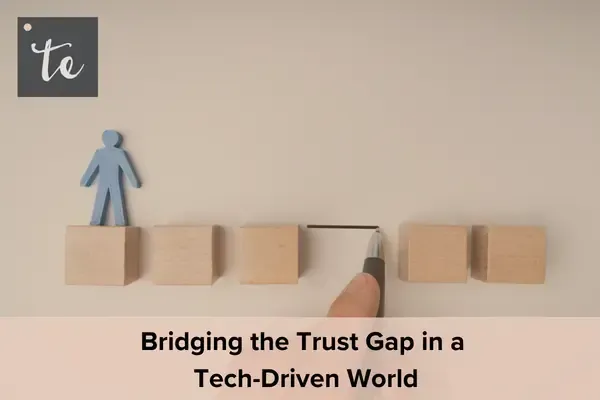
Bridging the Trust Gap in a Tech-Driven World
One of the things technology has not been able to solve is how to build trust in aour business relationships. In fact, it’s made it harder. Virtual meetings lack the warmth of in-person interactions. Emails replace meaningful conversations. And while efficiency has improved, the personal touches that create deep connections often fall by the wayside.
For businesses, this creates a trust gap. Prospects are hesitant to commit, clients feel disconnected and even team members may struggle to find a sense of belonging. In an environment where surface-level interactions dominate, trust is not a given—it’s something businesses must work to earn and sustain.
The Importance of Trust in Business
Trust isn’t just a nice-to-have; it’s the foundation of every successful business relationship. Studies consistently show that trust influences purchasing decisions, client retention and team performance. It reduces friction, shortens sales cycles and fosters loyalty.
In fact, a 2023 Zippia study revealed that nurtured leads result in 47% larger purchases at 33% lower acquisition costs. This means trust isn’t just an emotional benefit—it’s a measurable driver of revenue. Yet many organizations struggle to build it, especially in hybrid and virtual settings where the human element often feels lost.
So how can businesses rebuild trust when everything is feeling increasingly transactional?
How to Close the Trust Gap
How to build trust in a relationship with a client or colleague in a tech-driven world requires a deliberate approach. It’s no longer enough to simply meet expectations. To truly stand out, businesses need to show understanding, empathy and care at every touchpoint.
Understanding: The Foundation of Trust
People want to feel understood—whether they’re clients, employees or prospects. This starts with listening. Not just hearing the words but understanding the emotions and motivations behind them. When someone feels seen and heard, trust begins to take root.
Empathy: More Than a Buzzword
Empathy is about more than just acknowledging someone’s challenges; it’s about taking steps to address them. This might mean offering personalized solutions for clients, recognizing the struggles of a remote team member or simply sending a thoughtful note during a difficult time. Small gestures can have a big impact.
Consistency: The Secret Ingredient
Trust is built over time through consistent actions. A single thoughtful gesture is nice, but a series of intentional touchpoints creates lasting impact. This could include regular check-ins with clients, timely follow-ups after meetings or scheduled outreach to show appreciation. A simple acknowledgment is far more lasting than most people realize.
Case Study: Human Connection in Action
A consumer goods company asked us for help to express gratitude to its sales team after a successful year. With employees spread across the country, the challenge was to create a meaningful gesture that resonated with everyone.
The solution? Personalized care packages that included branded items, handwritten notes and thoughtful gifts designed to evoke feelings of appreciation and belonging.
The results were remarkable:
66% engagement rate: Employees shared their gratitude through emails and social media.
Team bonding: New hires wanted the same gifts, creating a sense of unity and pride within the company.
This example highlights how intentional efforts to connect can yield lasting benefits, even in a dispersed, hybrid environment.
Practical Steps for Business Leaders
If you’re looking to bridge the trust gap in your own organization, consider these strategies:
Reintroduce Face-to-Face Interactions
Even if your team is remote, find opportunities to meet in person. Whether it’s a team retreat or a client appreciation event, these moments are invaluable for rebuilding depth in business relationships and building rapport.
Make Thoughtful Gestures a Priority
Small acts of kindness—like sending a handwritten note or remembering a client’s milestone—can go a long way in making people feel valued.
Integrate Digital Tools with Personal Outreach
Leverage technology to track key dates or preferences but follow through with human actions. For example, use CRM reminders to schedule personalized check-ins.
Be Consistent
Trust isn’t built overnight. Commit to regular touchpoints and show up consistently for the people who matter to your business.
Reflect and Rebuild: 5 Key Questions for Leaders
To implement these strategies effectively, business leaders must ask themselves:
Am I prioritizing meaningful relationships over short-term gains? Build loyalty by investing in emotional connections rather than focusing solely on transactions.
Do I have a system for personalized engagement with clients and employees? Consistency is key to showing you care and maintaining trust in business relationships over time.
How well do I understand the needs and challenges of my team and clients? Active listening and empathy are crucial to building trust in a relationship that is authentic and lasting.
What steps can I take to reduce digital overload in my organization? Encourage mindful use of technology to create space for deeper human interactions and enhance overall wellbeing.
Does my company culture reflect a commitment to care and human connection? A culture of empathy and thoughtfulness will naturally extend to clients and partners, creating a ripple effect of positive engagement and loyalty.
Bridging the trust gap in today’s tech-driven world is both a challenge and an opportunity. By prioritizing human connection, businesses can stand out in a crowded market, foster deeper relationships and create a foundation for long-term success.
At The Expressory, we specialize in helping businesses build trust through thoughtful, strategic engagement. Unsure where to start? Schedule a conversation or join one of our upcoming Q&A sessions to learn more.
FAQs - Frequently Asked Questions
1. How can we build trust if our budget for in-person events or expensive gifts is limited?
Trust in business is driven by intentionality. Understanding what trust means in business at its core reveals that small, highly personalized gestures (like a genuine, handwritten thank-you note or a digital shout-out that highlights a specific achievement) often hold more emotional weight than generic, expensive corporate gifts. How you build trust in a relationship with a client or colleague comes down to consistency and personalization, both of which matter far more than budget.
2. My team is completely remote and suffering from Zoom fatigue. How do we connect without adding more screen time?
To beat digital overload, move away from standard video meetings. When thinking about how to build trust in a relationship that lives entirely online, the answer is often to bring it offline. Try replacing a virtual meeting with an old-fashioned phone call while taking a walk or send physical touchpoints (like a surprise coffee voucher or a curated care package) directly to their homes. This brings the connection into the physical world without requiring more screen time.
3. How do we scale "personalized outreach" without it consuming all of our time?
The secret is blending digital efficiency with human execution. The meaning of trust in business is often found in the small moments that feel personal and those moments don't have to be manual every time. Use your CRM to automate reminders for milestones, client anniversaries or check-ins, but ensure the actual delivery is personal. By systemizing the tracking process, you free up your time to focus entirely on the human connection, which is where trust in business is actually built.
4. How long does it typically take to see a measurable business return on trust-building efforts?
While emotional connection happens immediately, measurable business returns, like increased retention or larger purchase sizes, typically solidify over a longer period of time with consistent touchpoints. How to build trust in a relationship with a client isn't a one-time event; it's a compounding process. What trust is in business ultimately comes down to this: an asset that grows over time as you maintain your outreach systems. The stronger your emotional loyalty with customers, the better protected your revenue will be. According to a 2023 Zippia study, nurtured leads result in 47% larger purchases at 33% lower acquisition costs, proof that trust has a direct line to revenue.
5. What is the first step a business should take if they realize they have a trust gap?
Start with an internal audit of your current touchpoints. How do you build trust in a relationship with your clients if you don't first know where it's breaking down?
Ask your team and clients for feedback on where they feel disconnected or use the 5 Key Questions for Leaders listed in this blog. Where trust lives in business is often in the gaps nobody is paying attention to, the unreturned check-in, the milestone that went unacknowledged, the moment a client felt like a transaction instead of a partner. Once you identify those gaps, you can design a deliberate strategy to reintroduce meaningful connection, which is exactly what we help you do at The Expressory.