
Take Control of Your Biz-Dev Efforts with Our
Dream 25 System
Drive Growth with Our Proven Approach to Finding and Nurturing Your Ideal Clients.
The Expressory is a STRATEGIC ENGAGEMENT AGENCY that helps you build the relationships that GROW YOUR BUSINESS

Learn More About the Dream 25 System
Most business owners rely heavily on referrals to generate new business. And for good reason – referrals are a great way to get new clients. But, referrals should not replace a holistic biz-dev strategy. If you are relying on referrals for the majority of your new business, your pipeline is ultimately in the hands of someone else. And that puts YOUR business at risk.
How do you take control of your biz-dev efforts?
What is the Dream 25 System?
Learn how our Dream 25 system helps you take control of your biz-dev pipeline, revolutionize your business relationships, and create connections that help you get – and retain – your ideal clients.

AUTHENTICALLY ENGAGING.
POSITIVELY ALTERING.
SIMPLY REMARKABLE.
Beyond gifts, we design and deliver touchpoints that make people feel seen, cared for, valued and appreciated.

Our engagement strategies ensure you stay top of mind with the people important to your business’s growth and success.
Journey Through Our Dream 25 Blog Series
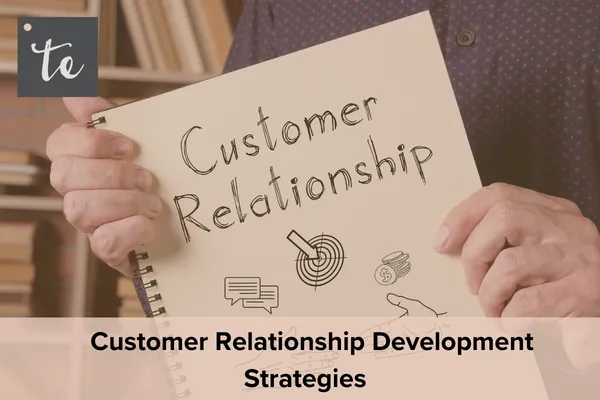
Customer Relationship Development Strategies
Strong businesses are built on trust, consistency of engagement and intentional loyalty reinforcement. Yet many companies still treat customer relationships as reactive, responding when something goes wrong instead of embedding a proactive care infrastructure that protects revenue over time.
That’s where thoughtful customer relationship development strategies become a defensive growth lever.
Developing relationships with customers shouldn’t look like just sending more emails or scheduling more meetings. It’s about creating a structured, care-driven approach to engagement that helps customers feel understood, supported and appreciated. When done well, relationship-building becomes relational equity that compounds over time. Clients stay longer. They refer others. They expand their engagement. They trust you with more responsibility.
In this blog, we’ll explore what it really means to be developing a customer relationship strategy intentionally, not accidentally and how to operationalize loyalty before relationship drift begins.
Why Is It Important to Develop Relationships with Customers?
Before diving into tactics, it’s important to answer to address the question of relationship building importance. Businesses have always been built on relationships. That hasn’t changed. But what has changed is that we seem to have forgotten that relationships are built on care. And if that care isn’t routinely expressed, loyalty is at risk.
Customers today have options. What keeps them is no longer just product quality or pricing. It’s how they feel in the relationship. When customers feel seen, validated and appreciated, they stay engaged longer and are more likely to advocate for your brand.
Research consistently shows that retaining existing customers costs less than acquiring new ones. But beyond cost efficiency, strong relationships create:
Higher lifetime value
More referrals
Increased responsiveness
Deeper trust during challenges
Greater openness to expansion opportunities
Relationship development should not be considered a soft strategy. In uncertain markets, it is revenue protection. And one could argue that the digital age itself creates this same need for a strategy to maintain what has already been earned.
What Developing a Customer Relationship Strategy Actually Means
Many businesses say they value relationships. Fewer actually define how to develop customer relationship management systems that support that claim.
A strong strategy answers:
Who are our highest-value or highest-potential customers?
What level of engagement does each segment require?
How often do we connect and why?
What makes our approach feel personal rather than automated?
Effective strategies in developing a meaningful customer relationship focus on segmentation, intentional touchpoints and emotional loyalty.
This is where many businesses miss the mark. They assume good service equals strong relationships. But service is reactive. Loyalty reinforcement is proactive.
How to Develop a Relationship with a Customer
If you’re wondering how to develop a relationship with a customer, start here:
Segment with strategic intent
Not every customer requires the same level of engagement. Identify top-tier customers, growth-potential customers and maintenance-level customers. Relationship depth should reflect revenue exposure and relational equity potential.
Define touchpoint rhythm
Decide how often you will intentionally show up. Quarterly check-ins? Annual appreciation gestures? Milestone acknowledgments? Consistency builds trust and prevents emotional disengagement risk.
Personalize beyond transactions
Knowing purchase history is not the same as knowing a person. Track preferences, milestones, goals, interests, or life events when appropriate.
Reduce friction
Ease of communication, quick response times and proactive support are essential in developing customer relationships that actually strengthen loyalty.
Show appreciation intentionally
Thoughtful gestures, including personalized corporate gifts when aligned with your brand, can reinforce partnership identity and increase emotional visibility.
When customers feel valued without being sold to constantly, attachment-based retention strengthens naturally.
How to Develop Good Working Relationships with Customers
Many businesses are struggling to build good working relationships with customers without overcomplicating the process. But the answer to the initial question is surprisingly simple:
Be consistent
Be proactive
Be human
Good working relationships are built through reliability, clarity and care. Customers want to know what to expect and that you’ll be there to support them. They want communication that is timely and respectful. And they want to feel that their business matters. The foundation always comes back to three elements:
Understanding
Validation
Care
Without those, even the best operational systems fail to create emotional stickiness.
The Difference Between CRM Systems and Relationship Strategy
Customer relationship management software (CRM) is a tool. It is not a strategy.
When thinking about how to proceed properly in customer relationship management, businesses must move beyond tracking data to interpreting loyalty signals.
CRM systems should help you:
Track engagement history
Identify upsell potential
Monitor responsiveness
Flag quiet or disengaging customers
But the real value comes from how you act on that information. A system organizes information. A strategy reinforces partnership.
Relationship Strategy Is About Depth and Deliberate Focus
One of the most common mistakes in customer relationship development strategies is spreading attention too thin. It is better to engage deeply with segmented groups than superficially with everyone.
Instead of asking, “How do we reach more customers?” ask, “Where is relationship drift most likely to occur?”
Growth often comes from going deeper, not wider. When you approach relationship development strategically, loyalty becomes measurable and repeatable rather than something you constantly chase.
Customer Relationship Strategy Is a Long-Term Growth Lever
Building relationships with clients is a commitment.
When you intentionally design and implement the right strategies, you move from reactive service to proactive loyalty reinforcement. You stop relying solely on acquisition and begin strengthening the foundation you already have.
And that foundation, when nurtured with clarity, consistency and care, becomes your most reliable path to sustainable growth.
If you need support developing a thoughtful customer relationship strategy tailored to your business, we’re here to help. Join one of our monthly Q&A sessions or book a one-on-one conversation to start building relational equity that protects revenue over time.
Frequently Asked Questions
What are the strategies to improve customer relations skills?
Improving customer relations skills begins with clarity and intention. Strong strategies for customer relationships focus on active listening, empathy, proactive communication and structured follow-up. Businesses should train teams to understand customer goals, anticipate needs and reduce friction. Consistency, personalization and emotional intelligence are core strategies in developing customer relationships that improve both skills and outcomes.
In addition, teams should be trained to recognize emotional cues in conversations, tone shifts, hesitation, frustration, excitement or uncertainty. When those cues are acknowledged and followed up on intentionally, customers feel genuinely understood. Taking the extra step to reference what was heard, clarify concerns or circle back with thoughtful action reinforces care in a tangible way. That responsiveness strengthens trust and deepens relational loyalty over time.
What strategies do you use to build customer relationships?
Effective strategies combine segmentation, personalization and consistency. A structured plan for developing a great customer relationship includes identifying key accounts, defining touchpoint rhythms and creating appreciation moments. The focus should be on trust-building actions such as regular check-ins, thoughtful gestures and proactive support. These strategies ensure engagement remains meaningful rather than transactional.
What are the 7 C's of customer relationship management?
The 7 C’s of customer relationship management typically include: Customer, Communication, Consistency, Customization, Care, Commitment and Collaboration. Together, they guide practices in customer relationship management that feel structured yet personal. Each element supports long-term loyalty by reinforcing trust and clarity.
What are the 4 pillars of CRM?
The four commonly recognized pillars of CRM are:
Strategy
Process
Technology
People
Technology (your CRM system) supports execution, but true impact comes from a clear strategy and empowered people. Sustainable growth depends on aligning systems, processes and human connection. Strong customer relationship development strategies integrate all four pillars to create lasting loyalty.

Talk to one of our experience managers to find out how our done-for-you, end-to-end service, will handle all the fine details of your personalized touchpoints, so you (and your team) can stay focused on your core business and still ‘wow’ and show your clients, prospects, team and strategic partners that you care.
Dive Deeper with Our Resources

Creating Emotional Loyalty
Unlock the power of emotionally loyal connections to grow your business and foster lasting relationships.

Listen to How Strategic Engagement Makes You an Easy Yes
Join us as we delve into the Dream 25 strategy, sharing insights and stories that will transform your business approach.
Join our Monthly Q&A Session
Each month, we uncover how to give strategically & drive revenue so you can identify, close, and keep your best clients.
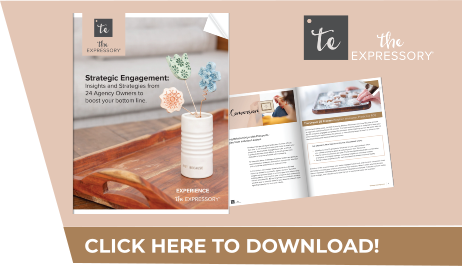
Need a bit
more inspiration?
Download our FREE ebook for strategic engagement examples that you can apply TODAY!
What Our Clients Are Saying...

“I can't tell you the number of times that the mailing of one of those packages has put someone on my calendar to reconnect with them.”
Shawndel Spader
Spader Group

Stephan Woessner
Predictive ROI
“I think you’ll be very pleasantly surprised, just like I was in how easy the process is. Why did we not do this years ago? Huge missed opportunity! I encourage you to no longer miss those opportunities and have the conversation with Jamie. I think you will be very pleased that you did."

Theresa Wilmot
Wilmot Designs
"Working with The Expressory for gifting is the perfect blend of giving a gift that is truly of your heart with the message you want delivered but the convenience and ease of having it done for you! The best!!"
What Others Are Experiencing
“Jamie and The Expressory are one of my most powerful assets as a small business owner. Client engagement beyond our direct service offering was a constant struggle in the past and we were failing to help show our appreciation for the amazing ways our clients support us, until I met Jamie and signed up for her services. Now my clients regularly tell me how much they love our beautiful and thoughtful cards. I have actually had stronger renewals from clients because they were touched by how much we actually cared about their lives outside of our studio. The Expressory is able to deliver on how we feel about our clients in a seamless and automated way that makes my team and business look great!”
Kevin Baker
Fitness Together
“Jamie and The Expressory are one of my most powerful assets as a small business owner. Client engagement beyond our direct service offering was a constant struggle in the past and we were failing to help show our appreciation for the amazing ways our clients support us, until I met Jamie and signed up for her services. Now my clients regularly tell me how much they love our beautiful and thoughtful cards. I have actually had stronger renewals from clients because they were touched by how much we actually cared about their lives outside of our studio. The Expressory is able to deliver on how we feel about our clients in a seamless and automated way that makes my team and business look great!”
Kevin Baker
Fitness Together
Ready to Take Control of Your Biz-Dev?
Join the Dream 25 Program and start building relationships that matter.
Experience the power of personalized engagement and see how it can transform your business.
Address:
1500 S. Sylvania Ave #106
Sturtevant WI 53177
Phone:
414.243.8971